
Frontend · Backend · Full-Stack
Become a job-ready software engineer in 28 weeks
Live, mentor-led training in frontend, backend and full-stack development. You write production-grade code from week one, get every pull request reviewed by a working engineer, and finish with six deployed projects on your GitHub profile.
50+ seats
Live classes, recorded classes
6 projects
Six deployed projects
No expiry
Placement support until you are hired
ENROLMENT
How payment and enrolment work
Nothing is charged until you have sat in on a live class and chosen your track. After that you can pay in full or spread the fee, and you can still change your mind.
- Refundable · Refundable until shortly before you start
- 0% EMI · Zero-cost EMI
Batches start through September and October 2026
What the programme actually includes
Facts about how the training is run. We do not publish placement percentages, salary figures or review scores, because we have not audited numbers we would be willing to stand behind.
18
Maximum learners in a batch
A cap we do not raise
240
Live teaching hours on the Full-Stack track
120 on Frontend, 140 on Backend
28
Weeks on the Full-Stack track
16 on Frontend, 18 on Backend
6
Reviewed projects you deploy
Three on a single track, six on Full-Stack
48 hrs
Turnaround on every written code review
Written by a working engineer, not a bot
Three tracks, one engineering standard
Pick the depth you need. Every track shares the same habits: version control from day one, tests before you call something finished, and a working deployment before you move on.
Frontend Engineering
16 weeks · 120 live hours
Semantic HTML, modern CSS and Tailwind, JavaScript and TypeScript fundamentals, then React with hooks, routing, state management, forms, accessibility and performance budgets. Finishes with Next.js rendering strategies and a React Native mobile build.
3 projectsExploreBackend Engineering
18 weeks · 140 live hours
C# and .NET alongside Node.js, relational modelling in SQL, document modelling in MongoDB, REST API design, JWT authentication, role-based authorisation, background jobs, caching, rate limiting and automated integration tests.
3 projectsExploreFull-Stack Engineering
28 weeks · 240 live hours
The complete path from markup to cloud deployment. You build the API and the interface for the same product, wire up payments and file storage, containerise the stack and ship it through a CI pipeline you configured yourself.
6 projectsExplore
Courses learners enrol in most
Full career tracks in frontend, backend and full-stack, all taught live with the same review standard.
The stack you will actually be hired to work on
We teach what appears in job descriptions across Indian product and service companies, and we replace anything that falls out of demand.
 HTML5
HTML5 CSS3
CSS3 Tailwind CSS
 JavaScript
 TypeScript
 React
React Next.js
 React Native
 .NET
.NET C#
C# SQL
SQL REST APIs
- Git & GitHub
- Docker
- Cloud deployment
- CI/CD
- Automated testing
How the journey runs, week by week
From your first phone call to your first offer letter, here is exactly what happens.
Free demo class and skills chat
Step 1 · 90 minutes
Sit in on a live session, meet the instructor and talk through your background. We tell you honestly which track fits, and we will say so if none of them do.
Enrol and set up your environment
Step 2 · Week 0
Before class one you install your editor, runtime, database and Git client with a mentor on call, so week one is spent writing code rather than fighting installers.
Learn live, build every week
Step 3 · The core weeks
Two hours of live teaching per session, a weekly assignment, and a fortnightly build that adds a feature to your ongoing project. Everything goes through code review.
Ship a capstone to production
Step 4 · Final six weeks
You take one product from database schema to deployed URL, with authentication, payments, tests, monitoring and a README a hiring manager can follow.
Interview, iterate, get hired
Step 5 · Until you land the role
Resume and LinkedIn rewrite, portfolio polish, mock interviews with feedback, and introductions to hiring partners. Support continues after the course ends.
What you will have built by the end
These are the applications our learners walk into interviews with. Each one is deployed on a public URL with the source on GitHub.
Multi-vendor e-commerce storefront
A storefront with product search and filters, cart persistence, coupon rules, Razorpay checkout and a seller dashboard for inventory and order fulfilment.
- Next.js
- TypeScript
- Tailwind CSS
- .NET
- +1

Hospital appointment and records system
Role-based scheduling for patients, doctors and receptionists, with slot-clash prevention, prescription history and an audit trail on every record change.
- React.JS
- .NET 10
- SQL Server
- Entity Framework Core
Real-time team chat with presence
Channels and direct messages with typing indicators, read receipts, offline queueing and file attachments served from object storage.
- .NET
- TypeScript
- Node.js
- Socket.IO
- +2

Expense tracker mobile app
A cross-platform app with offline-first sync, receipt capture, category budgets and monthly spend analytics rendered as native charts.
- React Native
- TypeScript
- .NET Web API
- PostgreSQL
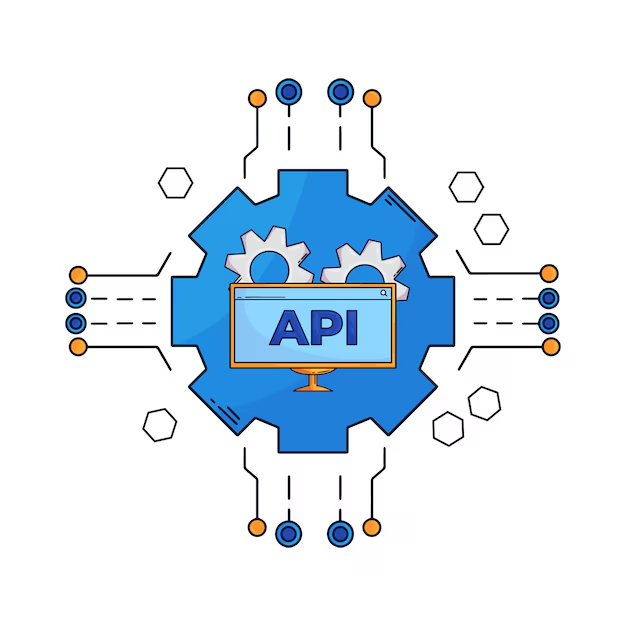
Production-grade REST API
A versioned API with JWT refresh tokens, role-based authorisation, request rate limiting, structured logging, integration tests and a container build pipeline.
- ASP.NET Core
- C#
- JWT
- xUnit
- +2
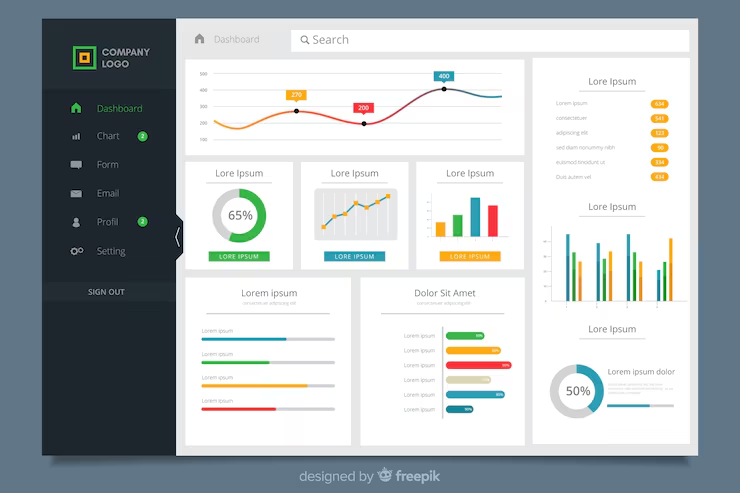
Analytics dashboard with live data
A revenue and funnel dashboard with server-side aggregation, date-range comparison, CSV export and streaming updates that stay smooth on 50,000 rows.
- Next.js
- TypeScript
- Tailwind CSS
- SQL
- +1



Taught by Vikas Kumar, an engineer who still ships code
Vikas Kumar · lead instructor and curriculum head
Vikas Kumar has spent around fifteen years building software for product companies and service firms, moving from frontend work into backend architecture and eventually leading delivery teams. That experience covers React and Angular front ends, .NET services, and databases that outgrew their first design and had to be rescued.
- 15 years in commercial software deliveryShipped and maintained products across fintech, healthcare, logistics and education, on both greenfield builds and decade-old legacy systems.
- Curriculum refreshed every yearAround 20% of the syllabus is rewritten annually so the stack you learn matches what appears in current job descriptions.
Upcoming batches
Seats are released in order of confirmed enrolment. When a batch fills, the next one for that track opens roughly five weeks later.
- 11 seats
Full-Stack Engineering
Starts
15 September 2026
- Mon to Fri, 11:00 AM to 12:00 PM IST
- Offline and Live online.
- 18 seats
Frontend Engineering
Starts
15 September 2026
- Mon to Fri, 11:00 AM to 12:00 PM IST
- Offline and Live online.
- 15 seats
Backend Engineering
Starts
15 September 2026
- Mon to Fri, 11:00 AM to 12:00 PM IST
- Offline and Live online.
Batch sizes are capped at 18 learners.
Learner stories
Short videos recorded by learners and published on our YouTube channel. We have not put names or claims against them here.





Transparent fees, no surprises
One fee covers teaching, reviews, mentoring, projects and placement support. There is no separate placement charge and no income-share agreement.
Frontend Engineering
₹25,000
16 weeks · 120 live hours
What’s included
- 120 hours of live instruction across 16 weeks
- HTML, CSS, Tailwind, JavaScript and TypeScript
- React, Next.js and an introduction to Angular
- 3 reviewed portfolio projects
- Written code review on every submission
- Doubt-clearing slots six days a week
- Resume, portfolio and LinkedIn rewrite
- Placement referrals to hiring partners
- Lifetime access to syllabus updates
Full-Stack Engineering
Popular₹40,000
28 weeks · 240 live hours · Most comprehensive
What’s included
- 240 hours of live instruction across 28 weeks
- Everything in the Frontend and Backend tracks
- Six reviewed portfolio projects including a capstone
- Docker, CI/CD and cloud deployment on Azure or AWS
- Weekly problem-solving and system-design drills
- Dedicated mentor assigned for the full 28 weeks
- Placement support until you are hired
Backend Engineering
₹25,000
18 weeks · 140 live hours
What’s included
- 140 hours of live instruction across 18 weeks
- C# with .NET
- SQL modelling, indexing and query tuning
- REST API design, JWT auth and rate limiting
- Automated testing with xUnit and Jest
- Docker basics and one cloud deployment
- 3 reviewed portfolio projects
- Resume, portfolio and LinkedIn rewrite
- Placement referrals to hiring partners
GST included. Zero-cost EMI available over 3, 6 or 9 months.
Questions people ask before enrolling
If yours is not here, call us and ask the instructor directly.
I am from a non-IT background. Can I really do this?
Are the classes live or pre-recorded?
What exactly does placement support include?
Do you guarantee a job?
Can I pay in instalments?
What if I miss a class?
Frontend, backend or full-stack — how do I choose?
Do I get a certificate?
What laptop do I need?
Sit in on a live class before you pay anything
Ninety minutes, no cost, no obligation. Watch a real session, meet the instructor, ask the current batch what they think, and then decide.